

Any crew can work through a shot list. A great event media team understands why the event exists, keeps its eyes open for the story happening in real time, and adapts when the plan falls apart. That’s the difference between content that checks boxes and content people remember.
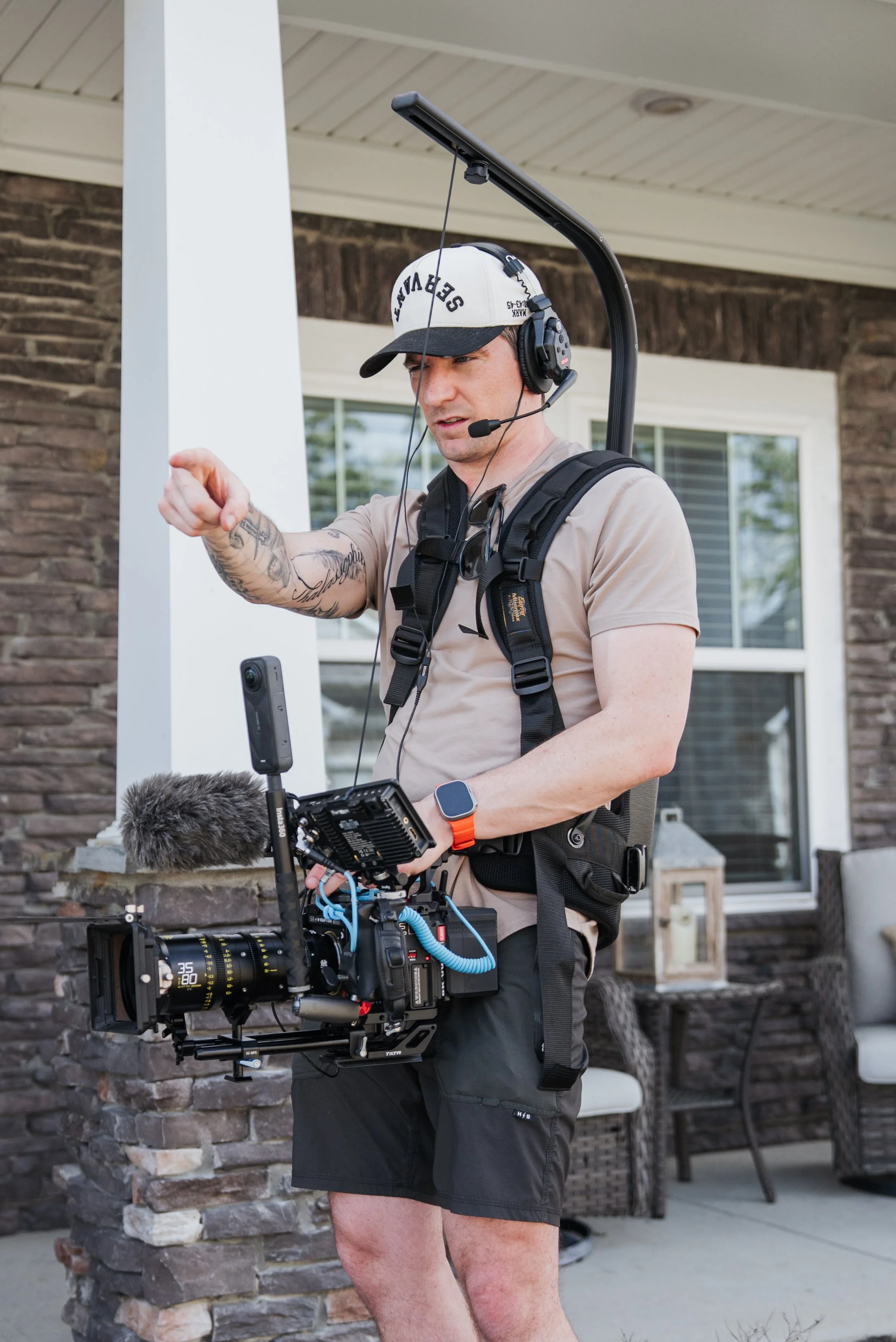
Hire a media team for your event and you’ll probably hand them a shot list. Sponsor logos, the awards ceremony, the main stage, the crowd.
That list matters. But if it’s the only thing your team is working from, you’re going to miss the best moments of the day.
Events are unscripted. The most important story of the weekend almost never shows up on a to-do list made a month in advance. The team that catches it is the one that understands what the event is really about and is paying attention when it happens.
Here’s what we think separates a great event media team from one that just shows up with cameras.
They understand the event’s mission
Before we cover any event, we want to know one thing: what is this event trying to accomplish?
Some events exist to show off elite performance. Some exist to bring a community together. Some exist to drive tourism to a destination. Each one calls for completely different content.
Take Fittest of the Coast, a CrossFit competition we’ve covered for years. It isn’t really about the elite athletes. It’s about the everyday competitor having the weekend of their life. So the content leans into the community, the fans, and the athletes at every level, not just the podium.
Or take a PGA Tour event built to bring visitors to Myrtle Beach. The goal there was simple: show as many people as possible having fun. Every shot decision traces back to that.
When the media team understands the mission, they don’t need to check in with event leadership on every call. They already know what matters. A team without that understanding is just checking boxes.
They split their attention 50/50
Here’s a rule of thumb we use: about half your effort goes to the plan, and the other half goes to what’s actually happening.
The shot list still gets done. Sponsors get their coverage, and the must-have moments get captured. That’s the framework.
But the other half of the team’s attention is on the room. What’s taking place right now? Who’s having a moment? What’s the story nobody planned for?
This is what distinguishes great creators from people who know how to work a camera. They read the environment, feel what’s happening, and recognize a moment before it’s over.
A great example came at the first Myrtle Beach Classic. A golfer was walking to the 18th tee on his final round, crossing a bridge, twirling his club and soaking it all in. He was playing in a PGA Tour event in his home state, and he knew he might never get that chance again. Nobody scheduled that shot. Somebody saw it.
They’ll sprint for the shot
Sometimes catching the story means moving fast.
During that same tournament, we got a call. The eventual winner, Chris Gotterup, was heading toward the iconic bridge on 18. Could we get the shot?
Our shooter was on the wrong side of the course with the wrong lens. To stack the crowd behind the golfer, he needed the compression of a 70-200mm lens, and he had a 24-70mm on the camera. So he called the editing team and sprinted across the property. A teammate ran the right lens out to meet him. He swapped it on the move, almost got decked by a startled fan along the way, and set up with about 30 seconds to spare.
The result was the shot the event needed: the winner high-fiving fans on that bridge, with a huge crowd packed in behind him. It was his first PGA Tour win, and it fit the event’s goal perfectly.
Knowing the mission tells you which shots are worth sprinting for.
They stay nimble when plans fall apart
Every event plan is a best guess. Weather turns. Schedules shift. Helicopters land at different times than anyone expected.
Rain is a good example. It’s really hard to show people having fun when everyone is soaked and miserable. A team that can only follow the plan is stuck. A nimble team finds the next story, like the crowd that stuck around for a concert anyway.
Flexibility isn’t a bonus skill for event media. It’s the job. And when something does go sideways, the team has to keep a cool head, regroup, and keep going so the experience for attendees doesn’t suffer.
They’re built around strengths
The best event teams aren’t a group of interchangeable shooters. Each person is placed where they’re strongest.
For a big event, we might bring:
A cinematographer obsessed with composition, assigned to capture moments beautifully
A shooter who thrives on fun, weird, fast social content
A fast editor who can turn around story-driven clips in minutes
A photographer and editor who knows which images will work best as carousels
One photographer who knows the event inside and out, and another with a more artistic eye
When everyone is doing what they’re best at, you can trust them to deliver without micromanaging. That trust is what lets a team move fast and still get it right.
Key takeaways
A shot list is the starting point, not the whole job.
The best event media teams understand the event’s mission and make decisions from it.
Split attention between the plan and the story unfolding in real time.
Expect things to change, and pick a team that adapts without panicking.
Build the team around each person’s strengths so you can trust them in the moment.
FAQ
What should I look for in an event media team? Look for a team that asks about your event’s goals before talking about gear or shot lists. They should be able to explain how they’ll adapt when plans change.
What is an event shot list? It’s a planned list of must-have moments and coverage, like sponsors, ceremonies, and key moments. It’s important, but it shouldn’t be the only thing your team works from.
How many photographers and videographers does an event need? It depends on the size and goals of the event. Larger events benefit from a mix of specialties, plus on-site editors to keep content moving.
How do event media teams handle bad weather? A good team adapts by finding new stories, shifting locations, or focusing on the moments people are still enjoying instead of forcing the original plan.
Let’s cover your next event
If you want a media team that gets what your event is about, we’d love to hear about it. Grab a coffee with us and tell us what you’re trying to accomplish. We’ll tell you how we’d capture it.