

The few days your event is actually happening are the most valuable marketing window you’ll get all year. Capture as much as you can, post constantly, and favor good-and-fast over perfect-and-late. When the window closes, people move on.
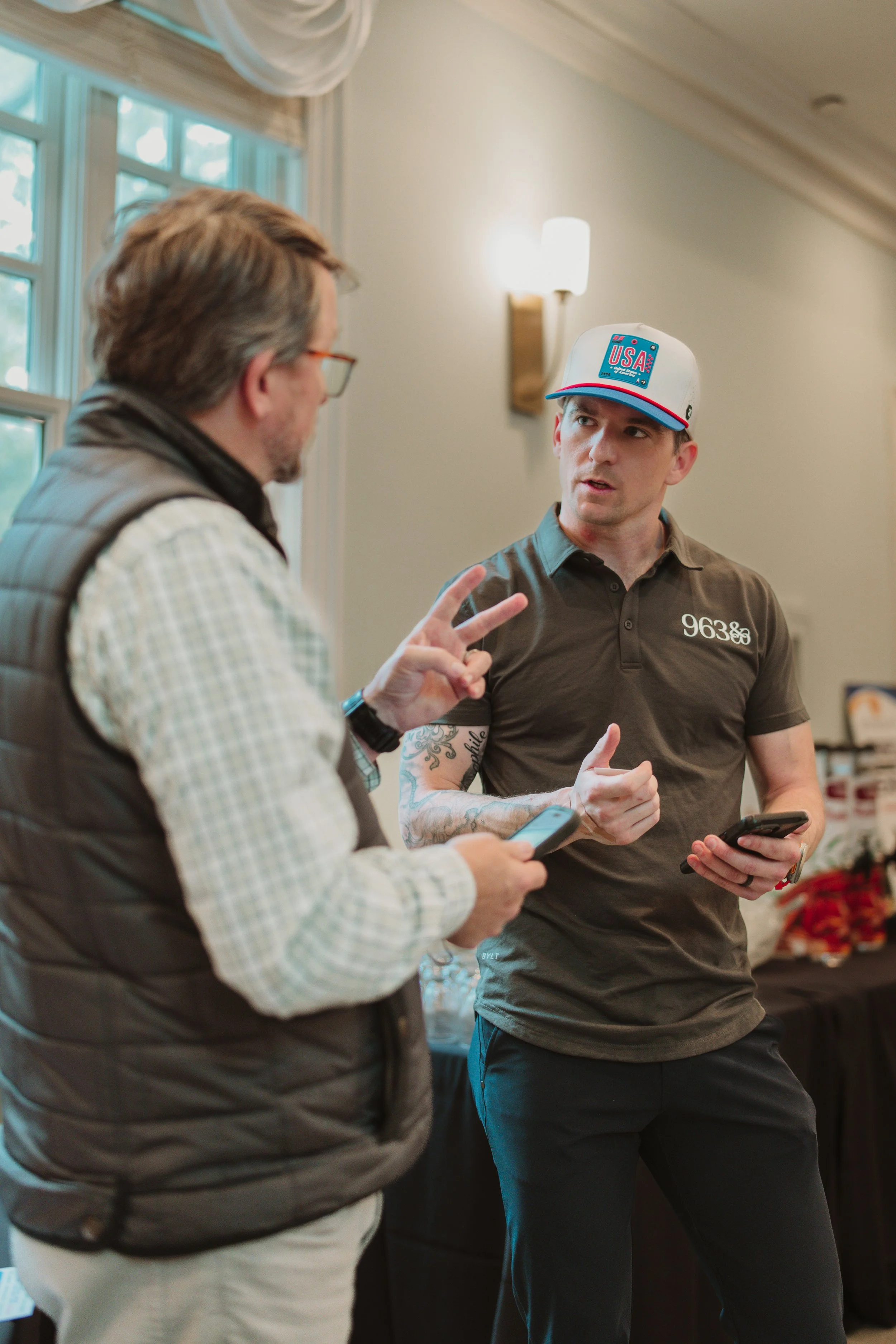
Most event marketing plans put the effort in the wrong place.
There’s a big push before the event to sell tickets or register athletes. There’s a recap video a few weeks later. And in between, during the event itself, the content slows to a trickle because everyone is busy running the thing.
That middle stretch is exactly where the opportunity is.
You can’t share the experience of an event that isn’t happening. The only time you can show people what it feels like to be there is while it’s going on. Miss that window and you’ve missed the best story you had to tell.
We’ve covered live events across golf, fitness, and tourism for years now. Here’s what we’ve learned about making the most of that window.
Every event has a window of interest
Think of attention around an event like a wave.
Interest builds as the date gets closer. It peaks while the event is happening. Then it lingers for a little while afterward, usually a week or two at most. After that, people have moved on to the next thing.
That’s the whole window, and you don’t get it back. The content you post during the peak gets seen by more people, shared more often, and engaged with far more than anything you post before or after.
In our experience, the engagement on even simple posts during an event is dramatically higher than the same kind of content on a random Tuesday in the off-season. Posting during the event is like throwing gasoline on a fire that’s already burning.
So the question isn’t whether to post during the event. It’s how much you can possibly get out.
Volume beats polish during a live event
A lot of people will tell you to post three or four times a day. For a live event, we’d push back on that.
While people are paying attention, there should almost never be a moment when something isn’t going up. Every post is another chance for someone to see your event, your sponsors, and your community having a great time.
That doesn’t mean posting junk. The content has to be good. But it doesn’t need to be a masterpiece. It needs to tell a story quickly and get out the door while people care.
The best proof we have is a single clip from Fittest of the Coast, a CrossFit competition we’ve covered for five years. A great-grandmother, somewhere around 70 years old, stepped up mid-event and hit a muscle-up like it was nothing.
One camera. One slow-motion shot. No fancy edit.
The card went straight from the camera to the editing table, and the clip was posted within minutes. It went on to pull in millions of views. Speed and the right moment did more than any amount of post-production could have.
How to set up a team for speed
You can’t post constantly during an event if every clip has to wait until the shoot day is over. Speed has to be built into the workflow from the start.
Here’s what that looks like for us on bigger events:
Editors on site. Footage moves from camera to editor in minutes, not hours. For a large event, that can mean multiple editors on site plus a remote editor working in parallel.
Clear roles. Some shooters focus on beautiful composition, others on fun and fast social content, and photographers on carousels and event coverage. Everyone knows what they’re there to get.
Simple formats ready to go. Templates, captions, and approvals are sorted out before the event, so nobody is stuck waiting on a decision mid-day.
Constant communication. The team needs to know what’s changing in real time so the content keeps up with what’s actually happening.
The goal is a well-oiled machine. When the process is dialed in before the event, the team can spend the event itself chasing moments instead of chasing files.
Don’t forget your sponsors
Event content isn’t only for attendees. It’s also one of the biggest things you can deliver to sponsors.
Brands partner with events for a reason, usually exposure in a specific market. A car company might put trucks on the grass and signage around the course because it wants more people in the area to see it.
The event’s job is to understand that goal and help the brand hit it. Content is a huge part of that.
So before the event, ask each sponsor what they want out of it. Then plan coverage that puts their activation in front of people while attention is at its highest. A sponsor who sees their brand showing up in content all weekend long is a sponsor who comes back next year.
Capture the experience for two audiences
Every piece of event content is really talking to two people.
The first is someone who was there. When they see the content, they relive it. They tag their friends. They want to come back next year.
The second is someone who wasn’t there. When they see it, they feel like they missed out. That fear of missing out is what fills next year’s registration list.
Good event content does both at the same time. It makes the people who came feel like part of something, and it makes everyone else wish they had been.
That’s why capturing real experiences matters so much. Not just the winners and the big moments, but the people having fun, the fans in the stands, and the moments that show what the event is really about.
Key takeaways
The days your event is live are your biggest marketing opportunity of the year.
Interest peaks during the event and fades within a week or two after.
Post as much good content as you can during the event. Volume matters more than polish.
Build speed into the workflow with on-site editors, clear roles, and prep done in advance.
Make content for the people who were there and the people who wish they had been.
FAQ
How often should you post on social media during an event? As often as you can while keeping the content good. During a live event, attention is at its peak, so constant posting usually outperforms a few scheduled posts a day.
When should event content be posted? The highest engagement usually comes during the event itself. Interest then stays up for about a week or two afterward before fading.
Does event content need to be professionally edited? Not always. Some of the best-performing event content is a single, well-timed shot posted quickly. Good and fast often beats polished and late.
How do you get event content out quickly? Have editors on site, assign clear roles to each shooter, and prepare templates and approvals before the event starts.
Planning an event?
If you’ve got an event coming up and want content that keeps up with it, let’s talk. Grab a coffee with us and we’ll walk you through how we staff and plan event coverage so your best moments get out while people still care.