

Starting is messy, and that’s fine. Find inspiration, develop a style that’s your own, lean on people who’ve been there, and build systems so the business doesn’t depend on you doing everything. Those lessons apply to almost any small business.
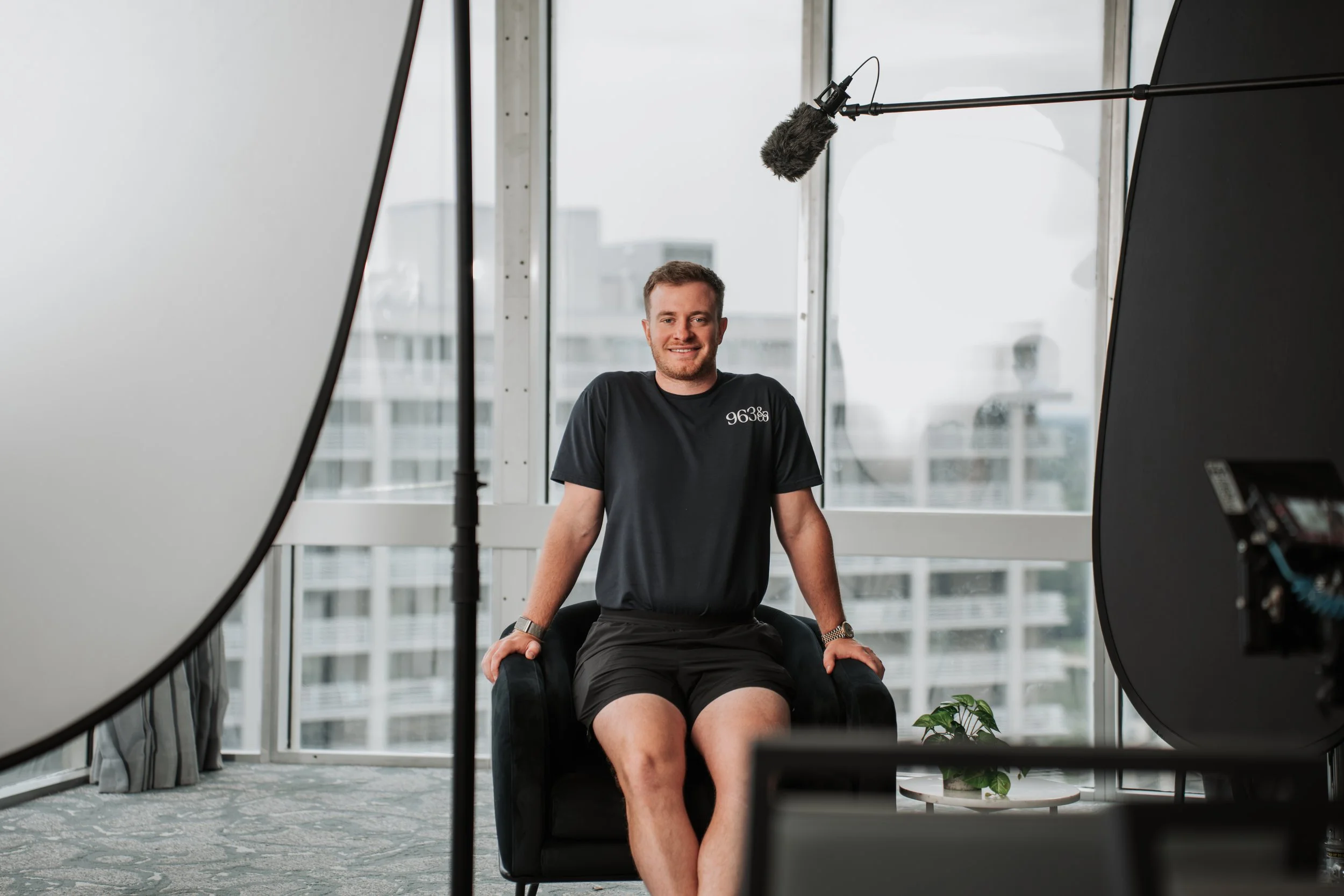
Every business owner has a version of the early days. Too many hats, not enough hours, and a lot of figuring things out as you go.
Ours involved a garage, a camera on auto mode, and a lot of YouTube tutorials. Along the way, we learned some lessons that go way beyond video.
Here’s what building 963 & Co has taught us about growing a business.
Start with what you have
When we started, the gear was basic. A starter camera, one lens, a computer that could barely keep up.
It didn’t matter. The work got better because we kept doing it, not because the gear got better.
A lot of business owners wait for the perfect setup before they start. The perfect website, the perfect logo, the perfect launch. But you learn more from doing the thing badly a few times than from planning it perfectly forever.
Start with what you have. Upgrade when the work demands it.
Find inspiration, then make it your own
Early on, a lot of our style came from studying creators we admired online. One of the biggest was Sam Kolder, a travel filmmaker known for his fast, energetic edits.
We’d watch his videos and try to recreate pieces of what he did. Not to copy him, but to understand how it worked.
Art is always inspired by someone else. The trick is taking that inspiration and blending it into something that’s yours.
That ended up mattering more than we expected. Our style looked different from what most businesses in our area were used to. Not necessarily better, just different. And different got people’s attention. A lot of our early clients reached out because of that look.
For any business, the lesson is the same. Learn from the best, then figure out what makes you different. That’s usually what people remember.
Lean on people who’ve been there
In the beginning, there was no community. No one to call when something broke or didn’t make sense. Every problem took hours to solve alone.
Now, our team has the opposite. A newer team member can call with a quick question about an editing tool and get the answer in two minutes, instead of losing six hours trying to figure it out.
Mentorship is one of the biggest shortcuts in any business. Find people who are a few steps ahead of you. Ask them questions. And once you’re further along, be that person for someone else.
Learn what your time is worth
That first promo video took about 24 hours to edit. Today, it would take a fraction of that, and look a lot better.
But here’s the bigger lesson. As a business owner, I eventually had to stop doing every edit myself.
That’s not because my time is worth more than anyone else’s. It’s because the business needs someone driving it forward. If the owner is buried in the day-to-day work, nobody is doing the work that grows the company.
Figure out what only you can do. Then find great people to handle the rest, and trust them with it.
Build systems, not just great work
Creative people often like to work their own way. That’s part of what makes them good. But when you’re building a team, everyone doing things differently creates problems later.
When 963 first came together, nobody was wrong about how they worked. Everyone just had their own way. Over time, we started asking, “What makes the workflow easier down the line?” Then we built around that.
Moving from freelancer to business means building something bigger than yourself. That takes systems, consistency, and sometimes a few unconventional choices. It’s not easy, but it’s what lets you grow and give other people a chance to do great work too.
Look back to see how far you’ve come
Here’s a fun exercise. Pull up the first thing you ever made for your business and put it next to something you made recently.
We’ve joked about doing this with our first Fittest of the Coast promo and our latest coverage of the same event. It would be a little painful to watch. It would also be the clearest picture of how much we’ve grown.
Progress is easy to miss when you’re in the middle of it. The daily grind makes it feel like nothing is moving. Looking back reminds you that it is.
That said, don’t get too comfortable. We still don’t think of ourselves as having “made it.” There’s always a next step, a better workflow, a new client to serve well. Celebrate the growth, then get back to work.
Key takeaways
Start with the tools you have. You’ll improve by doing, not waiting.
Learn from people you admire, then build a style that’s your own.
Different gets noticed. Don’t be afraid to stand out.
Find mentors, and become one when you can.
Learn where your time matters most, and delegate the rest.
Build systems so your business can grow beyond you.
FAQ
How do you start a creative business with no experience? Start with what you have, learn constantly, and take on real projects as early as you can. Experience comes from doing the work.
How do I make my business stand out? Study what works, then put your own spin on it. A distinct style or approach often gets more attention than trying to copy the market.
When should a business owner start delegating? When your time is better spent growing the business than doing the day-to-day work. Delegating early helps you scale sooner.
Why do small businesses need systems? Systems keep work consistent as you add people. They help the business run smoothly without depending on one person doing everything.
Let’s build something together
If you’re in the early days of your business, or you’re trying to grow past them, we get it. We’ve been there. Grab a coffee with us and let’s talk about how video can help you get your story out and grow.