

The footage from your brand shoot is your story, and it’s one of the most valuable sales tools you own. Build a foundation first, then use every piece of it across social, sales, and future campaigns. Don’t let it sit on a shelf.
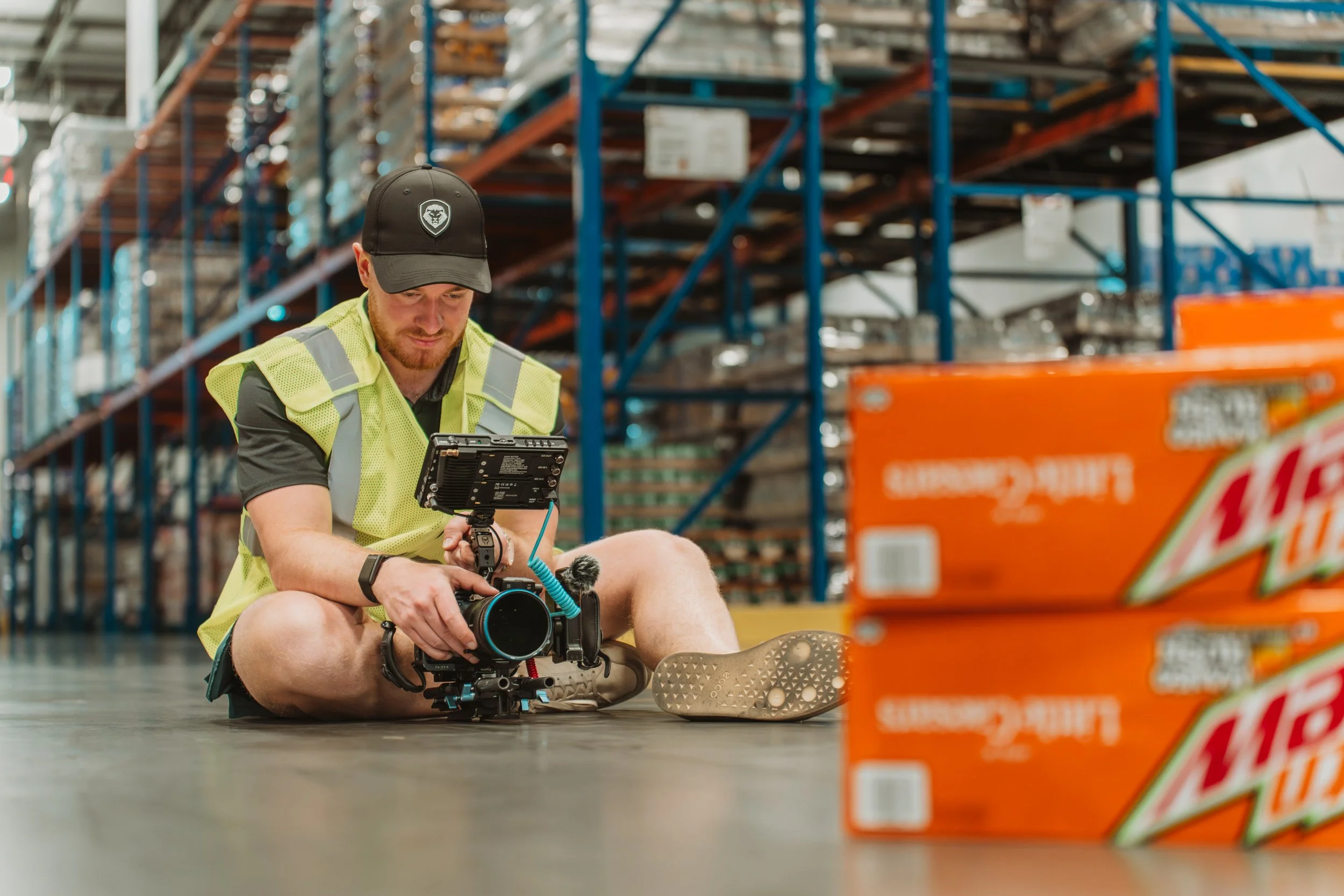
Here’s a scene that happens more than you’d think.
A business invests in a great video shoot. The final piece comes out, everyone loves it, it gets posted once. Then the hard drive with all the footage goes in a drawer, or a closet, or the garage.
And that’s where it stays.
That hard drive holds your story, your history, and the faces of the people who built your business. It could be one of the most important tools you have. Leaving it on a shelf is the opposite of what it’s for.
Here’s how to make sure your content keeps working long after the shoot.
Start with the people who built the business
The strongest brand stories usually come from the top. Owners, CEOs, COOs, the people who designed how the business runs.
They’re the ones who built the systems and processes, so the business reflects who they are. When they talk through their thinking on camera, you get something no script can match.
Take LaBarbera, a moving company we work with. It’s run by a father and son, Max and his dad, who came from the real estate world. After finding success in real estate, they saw that moving was a natural fit.
Their background shows up in everything they do. They know what people go through when they buy or sell a home, so they built a moving service around making that easier, including storage pods they can keep and warehouse themselves.
Their authority from real estate is exactly what sets them apart from other movers. That’s the story worth telling.
Every business has some version of this. Where you came from shapes how you serve people. Put that on camera.
Build the foundation before the fun stuff
When a business tells its story for the first time, it often unlocks something.
They see the first video come together and think, “Whoa, this is cool.” Then the ideas start flowing. How can we tell our story in a funny way? A deeper way? A more creative way?
That’s great, and the second and third projects are often where things get really fun. But there’s an order to it.
You need a baseline before you go after the big creative campaigns. That foundation usually includes:
A core brand story told by the owners or leaders
Customer testimonials that show real results
Clear footage of your team, your space, and your process
Once that’s in place, you can spend money on bolder ideas with confidence, because the trust is already built.
Plan your content to be used for a long time
We don’t shoot content for one or two posts. We plan it so it can be used for a long time.
That’s why our clients get first-pass selects and color-graded footage they can use on social media, not just the final edit. More usable content means more chances to show up for your audience, and fewer gaps in your posting.
One shoot can turn into:
A full brand video for your website
Short clips for social media
Photos and stills for ads and emails
Testimonial snippets for your sales team
B-roll for future campaigns
That’s how one investment keeps paying off for months.
Learn how to use what you have
Handing over a hard drive isn’t the finish line. Knowing how to use the content is just as important as having it.
We try to coach the businesses we work with on where each piece fits. What belongs on your homepage? What works in a social post? Which clips help a salesperson close a deal?
When your team knows how to use your content, it stops being a one-time project and starts being part of how you sell. Prospects get to know you before the first call. The sales process gets shorter, because the trust is already there.
Not sure where to start? Audit what you have
A lot of businesses already have more content than they realize. Old shoots, event footage, phone videos, photos from a few years back.
Before planning anything new, gather it all in one place and sort it:
Story pieces. Anything where an owner or leader explains who you are or why you exist.
Proof. Testimonials, reviews on camera, before-and-afters, results.
Supporting footage. Your team at work, your space, your process, your products.
Then look for the gaps. Maybe you have plenty of B-roll but no customer stories. Maybe the founder story is five years old and doesn’t reflect where you are now.
That gap list becomes your next shoot plan. You’re not starting from scratch, and you’re not paying to recreate content you already own.
Your story is what you’re really selling
At the end of the day, people aren’t just buying your product or service. They’re buying into you. They’re investing in a business they believe in.
Your content is how they get to know you. So treat it like the asset it is. Use it, share it, and keep telling your story.
Key takeaways
The footage from your brand shoot is a long-term sales asset, not a one-time post.
Let owners and leaders tell the story. Their background is often what sets you apart.
Build a foundation of core story and testimonials before bigger creative campaigns.
Plan shoots so the footage can be used across many channels for months.
Learn how to use your content so it shortens your sales process.
FAQ
How can I repurpose a brand video? Cut it into short social clips, pull stills for ads and emails, use testimonial snippets in sales, and save the B-roll for future campaigns.
What should a business’s first video be? Usually a core brand story told by the owners or leaders, explaining why the business exists and how it helps people.
What’s included in a video production package? It varies by company. Ask whether you’ll get raw or first-pass footage and color-graded clips in addition to the final edit, so you can use more of it.
How does video help shorten the sales process? It lets prospects get to know and trust you before they ever talk to you, so conversations start further along.
Let’s put your content to work
If you’ve got footage sitting on a shelf, or you’re not sure how to use the content you have, we’d love to help. Grab a coffee with us and we’ll take a look at your assets and how they can help move people through your sales process faster.