Most clients think a video shoot is just showing up and pressing record. The real work happens weeks before the cameras turn on.
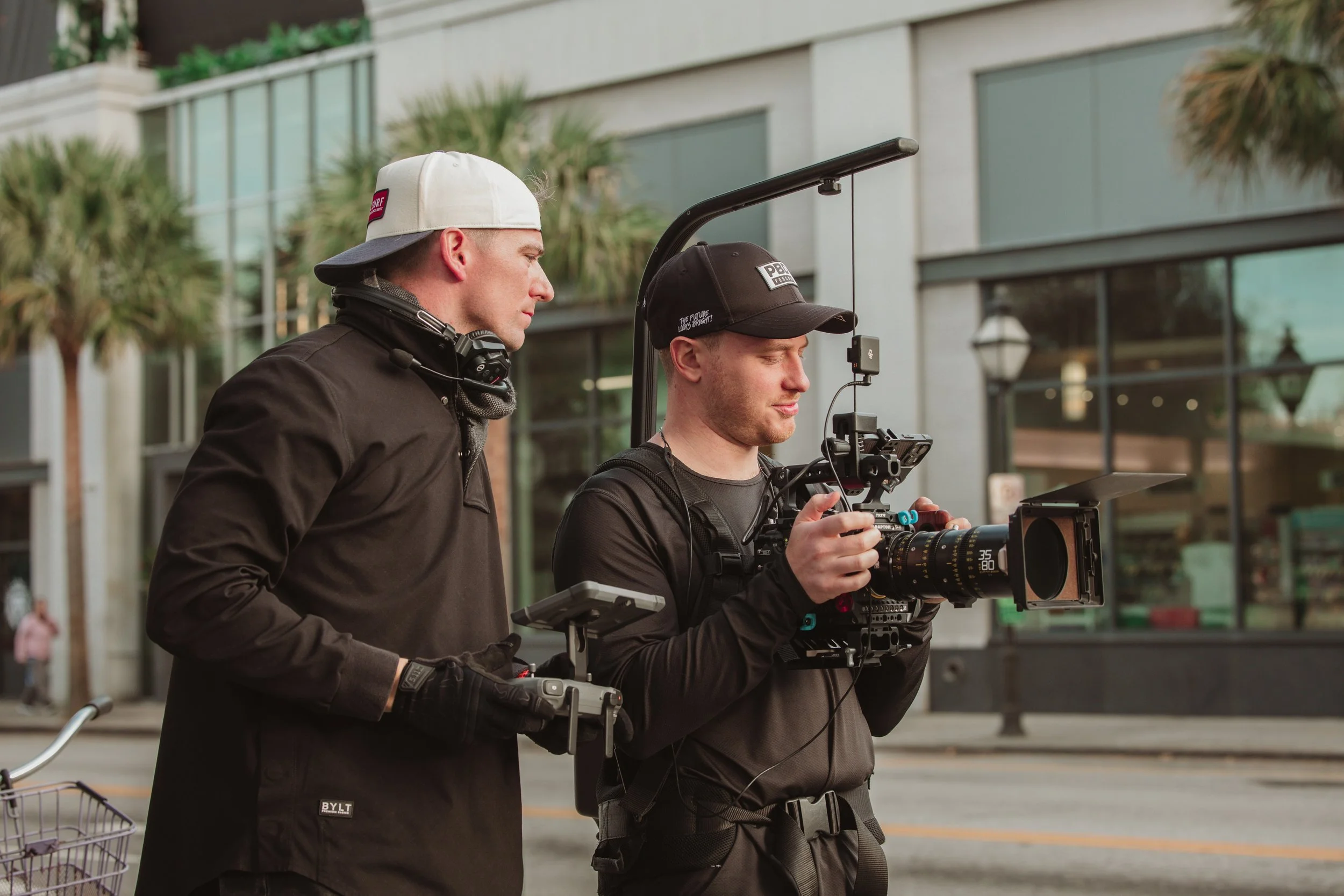
There's a running joke we use with clients. When someone asks what the process looks like, the short version sounds something like: you show up, you press record, you go home.
That's the myth. The reality is everything that has to happen before you ever set foot on location.
Most people have no idea. And honestly, that's not their fault. The pre-production side of a video project is almost invisible when it's done well. It just looks like a smooth shoot day. What it actually represents is weeks of planning, coordination, and creative problem-solving that most clients never see.
Here's what that actually looks like in practice.
The Paperwork Nobody Talks About
Before a single camera gets loaded into a van, there's a storyboard. Then a shot list that coordinates with that storyboard. Then mood boards pulling from past shoots or similar references so the client can actually visualize what the finished product might look like.
This part matters more than most people realize. A client can have a great idea and still have zero ability to communicate what they want. "I want it to feel cinematic" means something very different depending on who's saying it. Visual references close that gap.
The storyboard is a commitment document. It tells everyone, client included, exactly what's going to happen on set. The shot list keeps the crew accountable to that plan. The mood board keeps the creative direction anchored to something real.
Without these, shoot day becomes a guessing game. And when you're guessing on a client's dime, you're burning their budget for zero reason.
The Client Homework Problem
Here's where things get interesting. A lot of businesses, especially small and mid-sized ones, don't have a marketing director. They don't have someone internally who's been thinking about brand identity, visual style, or content strategy. They just know they need video.
That's totally fine. That's actually where we do some of our best work.
But it creates a challenge in the planning phase. When a client doesn't have existing creative direction, we have to build it from scratch. What style fits their brand? Do they want energy or warmth? Corporate or conversational? Comedy elements or straightforward storytelling?
The clients who are easiest to work with aren't necessarily the most experienced. They're the most honest about what they don't know.
A client who comes in and says "I have no idea, I trust you" is actually easier to serve than a client who says "I want the moon and the stars" with a budget that covers maybe a nice dinner.
That's a real conversation we have. Budget limits what's possible, and it's better to say that early and build a smart plan than to overpromise and underdeliver.
Shoot Day Is the Reward for Good Prep
When logistics are handled correctly, shoot day almost runs itself.
The client knows where to be. The crew knows what they're capturing. The talent, whether that's the business owner, a volunteer, or local actors, has been briefed and prepped. Nobody's standing around waiting for decisions to get made.
For a recent shoot with a financial services client, the pre-production included not just storyboards and shot lists, but monthly location planning, topic mapping for an ongoing content series, and style sessions to make sure the visual tone matched their brand. They didn't want a corporate video. They wanted something human. So we built toward that from day one.
The goal of pre-production isn't to control everything. It's to make sure that when something unexpected happens on set, the plan is strong enough to absorb it.
Every shoot has surprises. Weather shifts, locations that look different in person, talent that gets nervous on camera. Good pre-production means those surprises are just speed bumps, not disasters.
Key Takeaways
Storyboards, shot lists, and mood boards aren't optional. They're what separate a smooth shoot from a chaotic one.
If your client doesn't have creative direction, that's the first thing to solve. Production before strategy is money wasted.
Budget conversations belong in week one, not after a proposal gets rejected.
Shoot day success is a lagging indicator. It reflects everything that happened in the weeks before.
Being a partner means sharing the planning load, not dumping homework on the client and hoping for the best.