

The difference between a vendor and a production partner is who carries the burden of the plan. Great agencies make the process feel easy even when it isn't. There's a phrase that gets used a lot in service businesses: over-deliver. Show up with more than the client expected. Give them more value than they paid for.
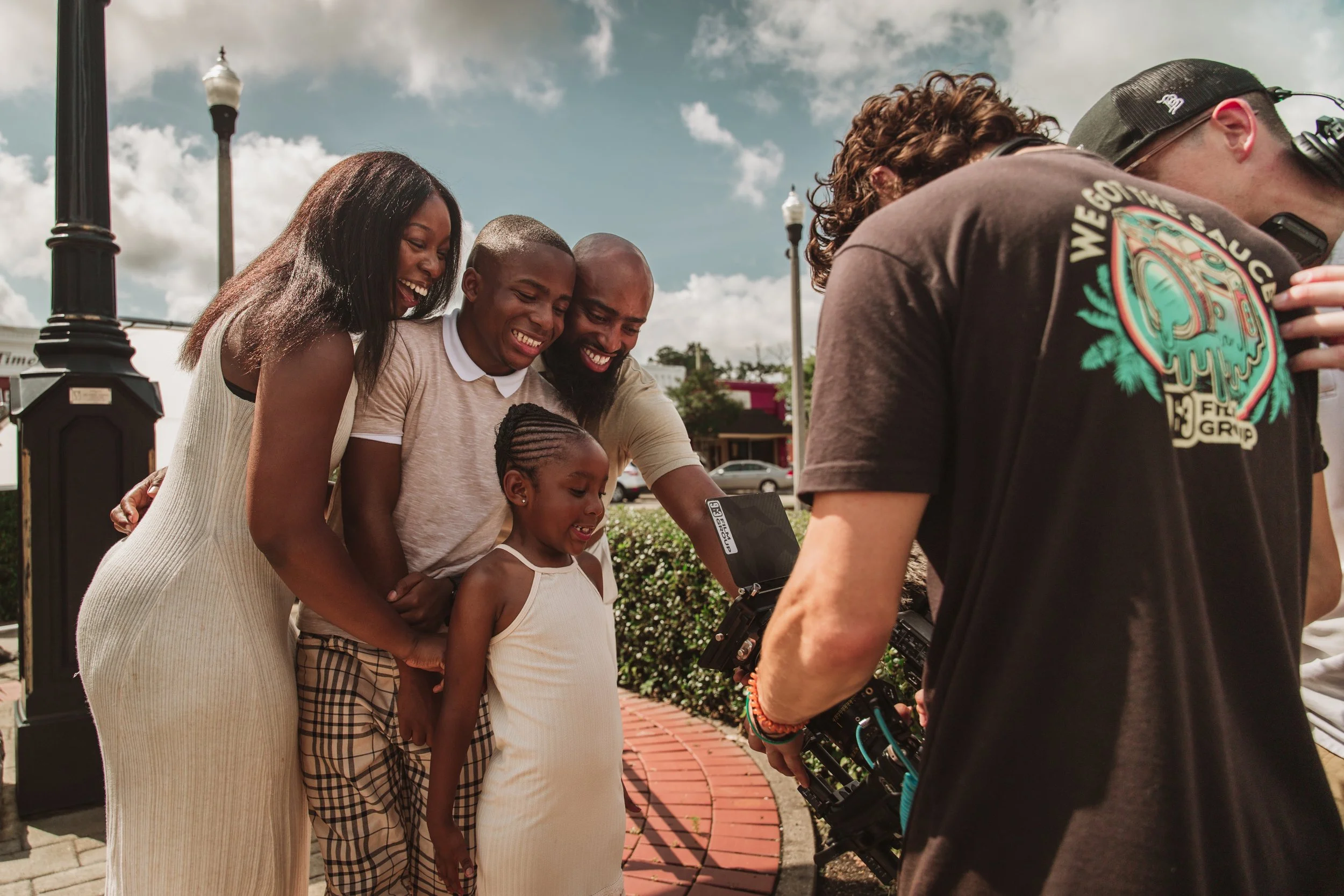
It's good advice, but it misses something. The highest form of client service in production isn't doing more work. It's making the process feel effortless for the person on the other side of the table.
That's the difference between a vendor and a partner.
What a Vendor Does vs. What a Partner Does
A vendor shows up, does the thing they were hired to do, delivers the file, and sends the invoice. That model works fine for a lot of services.
Production isn't one of them. At least not when you're serving small and mid-sized businesses who don't have internal creative teams.
When a business hires a production company, they're not just buying footage. They're buying creative direction, logistics management, pre-production planning, client communication, and on-set leadership. They're buying someone to carry the burden of figuring out how to take a vague idea and turn it into something they can actually use.
If a client walks into shoot day still uncertain about what's happening, you failed in pre-production. It doesn't matter how good the footage looks. The client experience was already broken before cameras rolled.
The Logistics That Never Make It Into the Invoice
There's a long list of work that happens on every project that clients never see. Scheduling logistics meetings. Building out project boards. Sending and tracking client homework. Location research. Talent coordination. Style matching. Timeline management.
This is the invisible infrastructure of a good shoot. It's not glamorous. It doesn't show up on a reel. But it's what determines whether shoot day feels organized or chaotic, whether the client feels cared for or confused.
For a recent project with a financial services firm, the pre-production phase involved monthly content planning across multiple formats, location scouting for an ongoing series, and style consultation to make sure the visual identity matched how they wanted to show up in their market.
None of that made it into any promotional material. But it's exactly what made the production work.
The logistics are the product. The film is just proof that the logistics were good.
When Things Go Wrong
Even with great pre-production, things happen. Talent gets nervous. Lighting changes. A planned shot doesn't come together the way it looked on the storyboard.
The question isn't whether problems will arise. It's whether the plan is strong enough to absorb them and whether the team is skilled enough to adapt.
One of the hardest lessons in client services is understanding what you owe someone when the product doesn't go perfectly. The honest answer is a lot. Not necessarily a reshoot or a refund, but a genuine effort to make sure the client feels taken care of regardless of the outcome. A bad product with a great client experience is recoverable. A bad product with a bad experience is a review you don't want.
The pancake rule: if you make a bad one, take care of the customer. The product can be fixed. The relationship has to be earned back.
Key Takeaways
The client experience starts in the first logistics meeting, not on shoot day.
Being a production partner means carrying the creative burden so the client doesn't have to.
Invisible logistics create visible results. The work nobody sees is often the work that matters most.
When things go wrong, how you handle it defines the relationship more than the original work did.
A client who feels taken care of comes back. A client who feels like a transaction doesn't.
